



One of the most overlooked steps in biochar production from Prosopis juliflora is 𝗺𝗼𝗶𝘀𝘁𝘂𝗿𝗲 𝗺𝗮𝗻𝗮𝗴𝗲𝗺𝗲𝗻𝘁.
Freshly harvested Prosopis from 𝗚𝗮𝗿𝗶𝘀𝘀𝗮 𝗖𝗼𝘂𝗻𝘁𝘆, 𝗞𝗲𝗻𝘆𝗮 typically has a moisture content of around 𝟰𝟬%. If this biomass is fed directly into a kiln at that level, a significant amount of energy is wasted evaporating water instead of driving effective pyrolysis.
𝗣𝗿𝗲-𝗽𝗿𝗼𝗰𝗲𝘀𝘀𝗶𝗻𝗴 𝗶𝘀 𝗲𝘀𝘀𝗲𝗻𝘁𝗶𝗮𝗹.
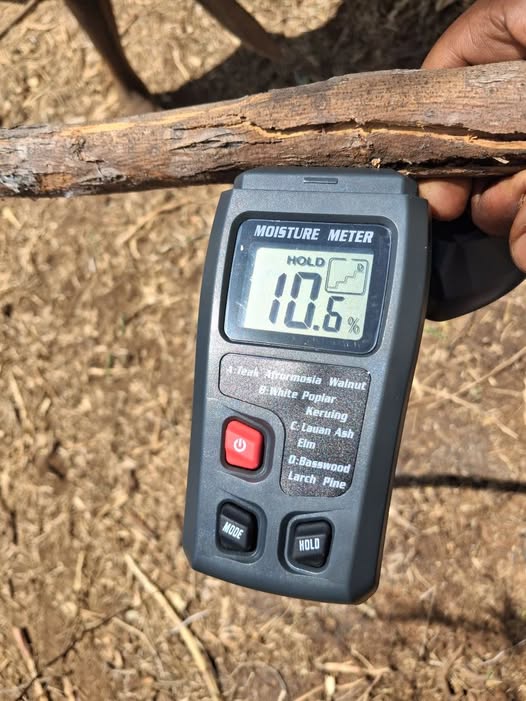
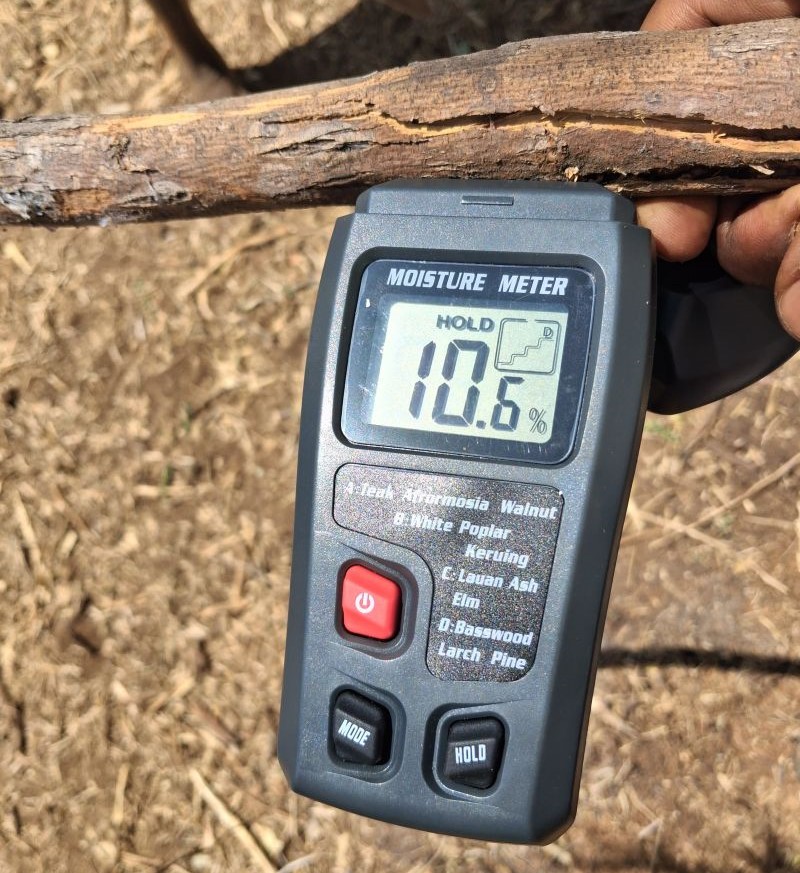
The biomass must be air-dried to a much lower moisture content—ideally 𝗶𝗱𝗲𝗮𝗹𝗹𝘆 ≤𝟭𝟬%—before carbonisation. Proper drying improves:
• Thermal efficiency
• Biochar yield
• Carbon stability
• Overall kiln performance
In practice, this requires 𝘁𝗶𝗺𝗲, 𝘀𝗽𝗮𝗰𝗲, 𝗮𝗻𝗱 𝗽𝗹𝗮𝗻𝗻𝗶𝗻𝗴: correct stacking, sun-drying, and protecting feedstock from re-wetting before production.
Biochar quality doesn’t start in the kiln.
𝗜𝘁 𝘀𝘁𝗮𝗿𝘁𝘀 𝗶𝗻 𝘁𝗵𝗲 𝗳𝗶𝗲𝗹𝗱, 𝘄𝗶𝘁𝗵 𝗵𝗼𝘄 𝘁𝗵𝗲 𝗯𝗶𝗼𝗺𝗮𝘀𝘀 𝗶𝘀 𝗵𝗮𝗻𝗱𝗹𝗲𝗱.
For anyone working with invasive species like Prosopis—especially in arid and semi-arid regions like northern Kenya—getting this step right is 𝗻𝗼𝗻-𝗻𝗲𝗴𝗼𝘁𝗶𝗮𝗯𝗹𝗲.
#Biochar#ProsopisJuliflora#CarbonRemoval#Kenya#Garissa


Leave a Reply